Cap Rate Calculator
Estimate the capitalization rate of a rental property using property value, rental income, vacancy rate, and operating expenses.
Cap Rate Calculator
Calculation Results
Operating Expense Guidance
Expert Tip
For many rental and commercial properties, operating expenses typically range from 30% to 50% of gross operating income. If your estimate is below 30%, review whether you have included all common costs such as property taxes, insurance, maintenance, property management, HOA fees, utilities, and other recurring owner-paid expenses. For more accurate results, use realistic market assumptions rather than optimistic estimates.
Property Value
Enter the current market value or expected purchase price of the property.
Monthly Rent
Use the realistic monthly rent you expect to collect, not the advertised best-case number.
Vacancy Rate
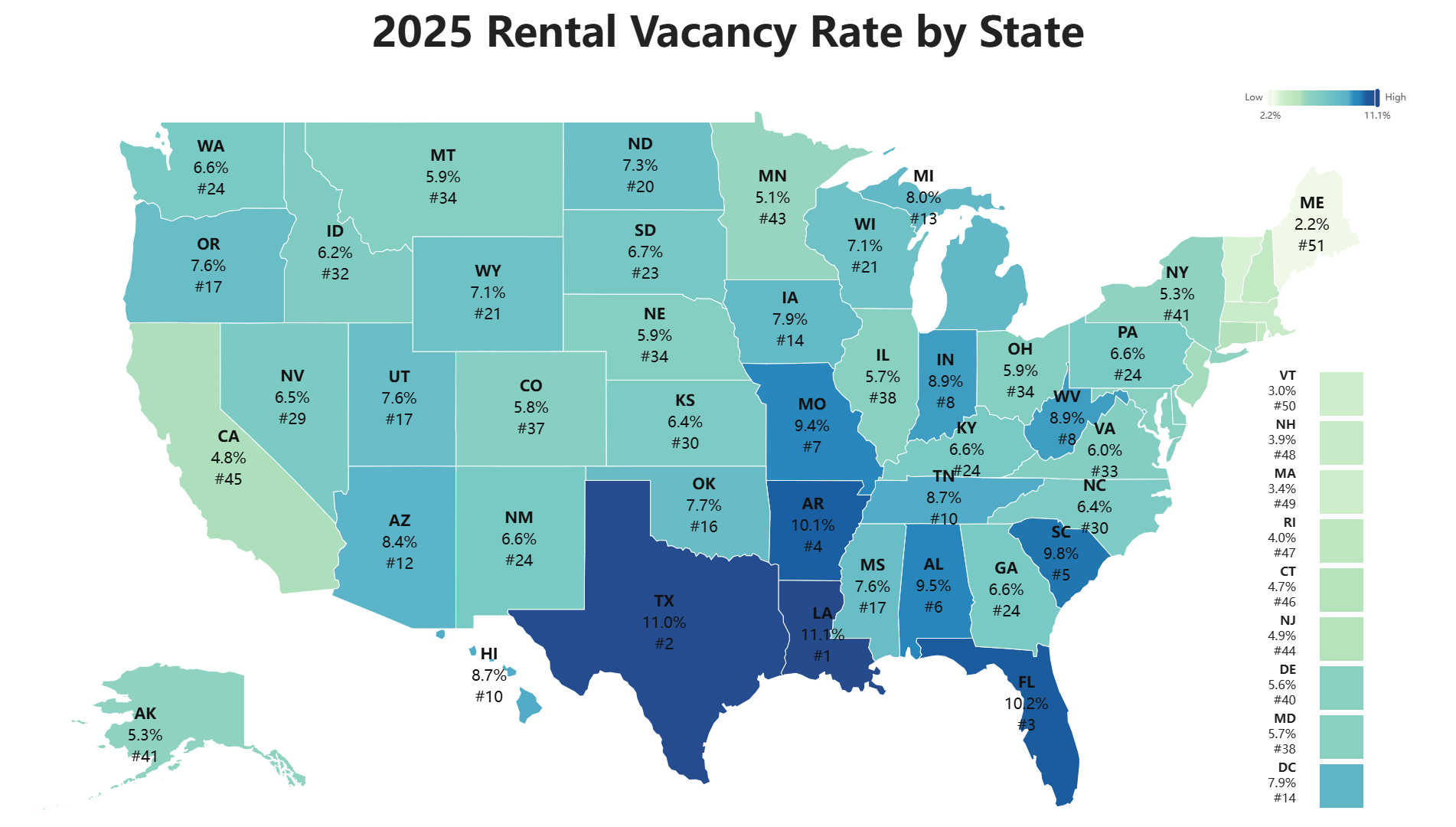
A vacancy allowance accounts for turnover, downtime, and non-payment. Many investors use 3% to 8%, depending on the market.
Total Operating Expenses
You can enter a total annual dollar amount or a percentage of gross operating income. Typical ranges are often 30% to 50%.
Annual Property Taxes
Local real estate taxes paid by the owner. In many markets, this may range from about 0.5% to 2.5% of property value annually.
Annual Property Insurance
Hazard or landlord insurance for the property. Often around 0.25% to 1.0% of property value per year, depending on location and coverage.
HOA Fee
Recurring homeowners association dues, if applicable. Enter the amount charged by the HOA.
Maintenance Costs
Repairs and routine upkeep such as plumbing, paint, appliances, and small fixes. A common rule of thumb is about 1% to 1.5% of annual rent, though older properties may run higher.
Property Management Fee
Fee paid to a property manager. Many investors estimate 6% to 10% of collected rent, though this varies by market and service level.
Other Operating Costs
Owner-paid recurring costs such as utilities, landscaping, pest control, admin, licensing, or cleaning.
What Is Cap Rate?
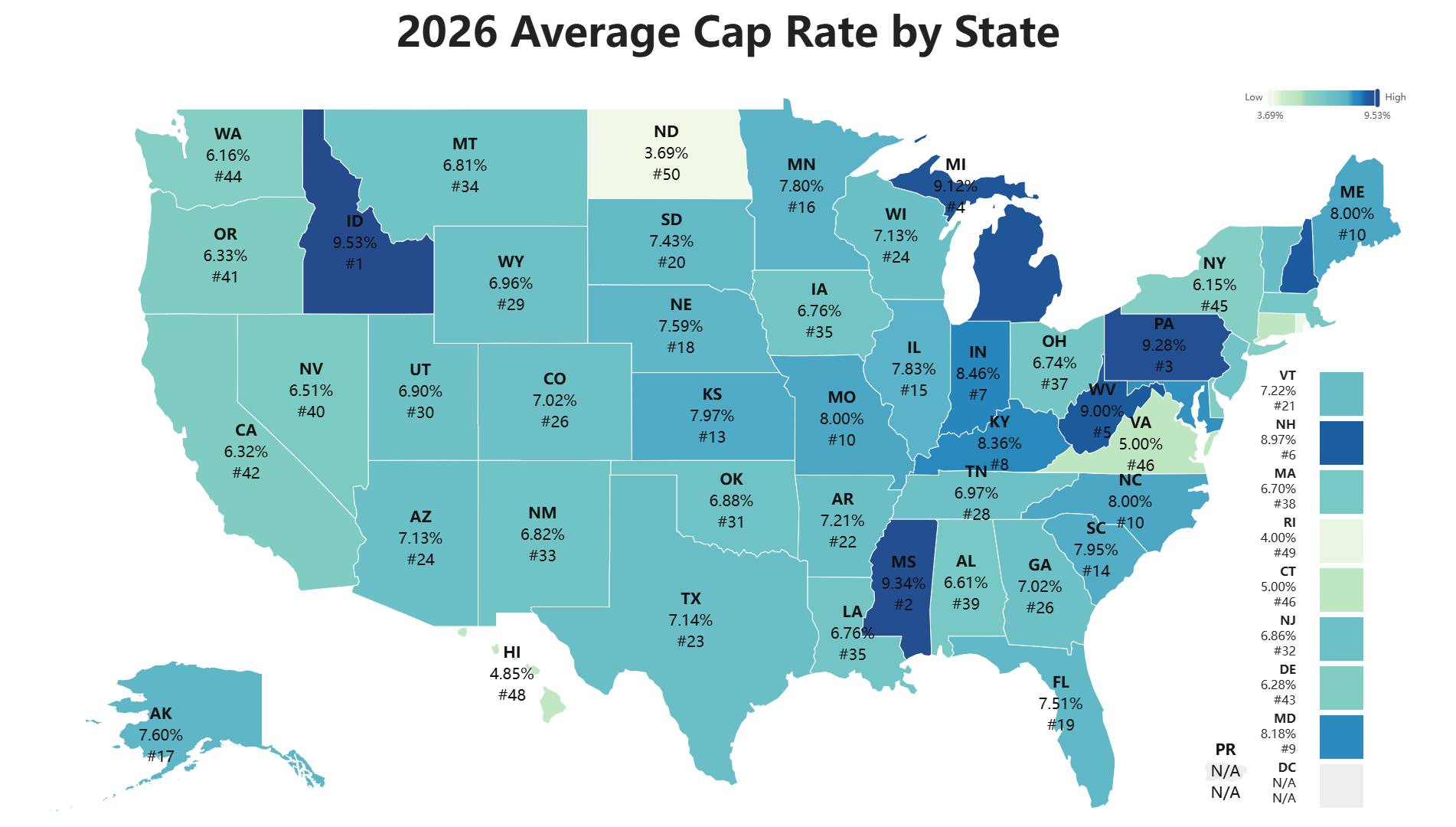
Cap rate, short for capitalization rate, measures the relationship between a property's net operating income and its market value or purchase price. It is often used to evaluate rental properties, commercial real estate, and other income-producing assets.
Cap Rate Formula
The basic cap rate formula is:
Cap Rate = Net Operating Income / Property Value × 100
Net operating income, or NOI, is calculated by subtracting annual operating expenses from gross operating income. Mortgage payments, income taxes, depreciation, and capital expenditures are typically not included in NOI.
Real Market Case Studies
The examples below are illustrative 2026 underwriting snapshots based on common market assumptions. They are not live listing data, but they show how investors often compare a coastal single-family rental with a Sun Belt multifamily property.
Case 1: Los Angeles, CA - Single-Family Rental (SFR)
Property Value: $1,050,000
Monthly Rent: $5,500
Vacancy Rate: 5%
Annual Operating Expenses: $30,000
Estimated NOI: $32,700
Implied Cap Rate: 3.11%
Investor takeaway: In a high-cost coastal market, the current yield can be thin. This type of deal may still work if long-term appreciation, tax benefits, and tenant quality justify the lower cap rate.
Case 2: Austin, TX - Multifamily
Property Value: $3,800,000
Monthly Gross Rent: $38,500
Vacancy Rate: 6%
Annual Operating Expenses: $159,280
Estimated NOI: $275,000
Implied Cap Rate: 7.24%
Investor takeaway: Multifamily in a growth market may offer a much wider spread over borrowing costs, but underwriting must account for lease rollover, operating complexity, and local supply pressure.
What this comparison shows: In 2026, investors are paying closer attention to the spread between cap rate and debt cost. A deal with a 4% cap rate may feel unexciting if financing costs remain elevated, while a 6% to 7% cap rate can provide more cushion for vacancy, repairs, and refinancing risk.
How to Use This Cap Rate Calculator
Enter the estimated property value, monthly rent, vacancy rate, and annual operating expenses. You can enter operating expenses as either a dollar amount or a percentage. For a more detailed estimate, select the operating expense breakdown option and enter property taxes, insurance, HOA fees, maintenance costs, management fees, and other operating costs.
What Expenses Are Included?
Common operating expenses may include property taxes, insurance, maintenance, property management fees, HOA fees, utilities paid by the owner, and other recurring costs required to operate the property.
This calculator does not include loan payments, closing costs, depreciation, capital improvements, or tax consequences.
References
For additional information related to real estate, housing data, property costs, and tax considerations, you may review the following government resources:
- U.S. Census Bureau - Housing Data
- U.S. Department of Housing and Urban Development
- IRS - Rental Real Estate and Taxes
- U.S. Bureau of Labor Statistics - Consumer Price Index
FAQs
What is a good cap rate?
A good cap rate depends on the asset class, location, tenant risk, leverage, and your investment goal. In a 2026 environment where borrowing costs remain elevated compared with the ultra-low-rate era, a 4% cap rate is no longer automatically attractive. If your debt cost, reserves, and operating risk leave very little spread, the deal can become fragile fast.
From an underwriting perspective, many experienced investors now care less about the headline cap rate and more about the spread to financing cost and the room for error. For a core, low-risk property in a premium market, a lower cap rate may still be acceptable, but only when the long-term appreciation story is strong and downside risk is limited. For value-add or secondary-market deals, investors usually want a wider margin of safety.
Does cap rate include mortgage payments?
No. Cap rate is usually calculated before financing costs. Mortgage payments, interest, and loan terms are not included in the standard cap rate formula.
Is cap rate the same as cash-on-cash return?
No. Cap rate measures return based on property value and net operating income. Cash-on-cash return measures annual pre-tax cash flow compared with the actual cash invested.
Should vacancy be included in cap rate calculations?
Yes. Vacancy allowance helps create a more realistic estimate of gross operating income by accounting for periods when the property may not be rented.
Write Reply to This Calculator